
City beyond the resort
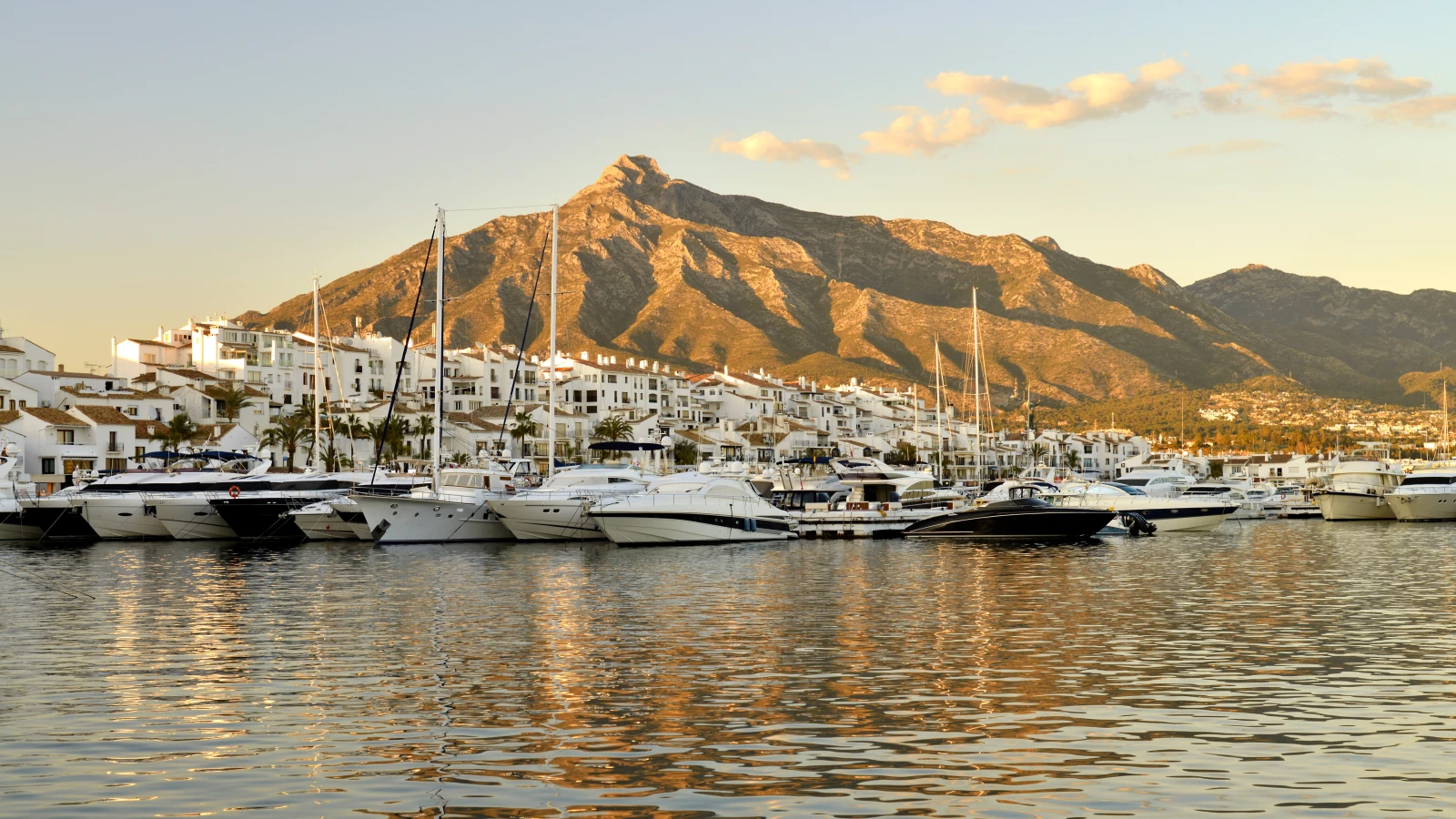
In the popular imagination, Marbella means beaches, golf, Puerto Banús, and beach clubs. But behind the glossy resort facade lies a real Andalusian city with a thousand-year history, a Moorish old town, and cultural heritage that many visitors do not even notice.
The history of Marbella goes back to Roman times, when it was part of the province of Spain. Then the Moors arrived, building a fortress and city walls. After the Christian Reconquista of 1485, the old town became the heart of Marbella’s social life and remains so to this day.
This guide will show you the real Marbella: its historic center, the main sights, and places that make the city something more than just a luxury resort.
Old Town (Casco Antiguo)
The heart of Marbella and its main attraction. Casco Antiguo is the historic center that feels like a beautiful Andalusian postcard: a maze of whitewashed houses, cobbled streets, and balconies overflowing with flowers. Here you will find the best cafes, restaurants, and boutiques, as well as historic architecture and cultural venues.
The old town sharply contrasts with the shiny beach clubs and resort complexes. It keeps the charm of an old village while still being a lively center where locals and guests meet. To see the center itself, an hour is enough, but if you want, you can spend half a day here—taking photos, going into shops, having lunch in restaurants, or joining a walking tour.
Plaza de los Naranjos (Orange Trees Square)
The main square of the old town and its symbolic heart. A picturesque historic square planted with orange trees and surrounded by buildings from the 16th century. Here you will find the town hall (Ayuntamiento). The scent of citrus, the clink of glasses, lively cafes, and tapas bars create the perfect atmosphere to have a coffee, watch people, and feel the city’s unhurried rhythm. Restaurants right on the square are usually more expensive than places on the small side streets around it.
Iglesia de la Encarnación (Church of the Incarnation)
The spiritual heart of Marbella. A church about 400 years old stands in the center of the picturesque old town. An example of Andalusian religious architecture with an impressive interior.
Murallas del Castillo (Castle Walls)
Once, Marbella had a castle known as the Alcazaba of Marbella, which served as a fortress and the city’s administrative center during Moorish rule. The castle itself has not survived, but you can see the fortress walls from the 9th to the 10th centuries, built in the Moorish era to protect the ancient city.
Museo del Grabado (Engraving Museum)
Located in a historic hospital building. A great collection of contemporary art, including works by well-known Spanish artists. One of the city’s main cultural attractions.
Avenida del Mar and Dalí sculptures
A boulevard connecting the center of Marbella directly to the sea. A palm-lined avenue you cannot miss. The main feature of this promenade is a collection of bronze sculptures created by Salvador Dalí, including the famous rhinoceros.
Walking along the pedestrian area in the shade of orange and palm trees, it is easy to imagine the luxurious lifestyle of wealthy people from a bygone era arriving in decorated carriages. Avenida del Mar leads straight to the waterfront and the beach, making it an ideal route for a walk from the old town to the sea.
Paseo Marítimo (Promenade)
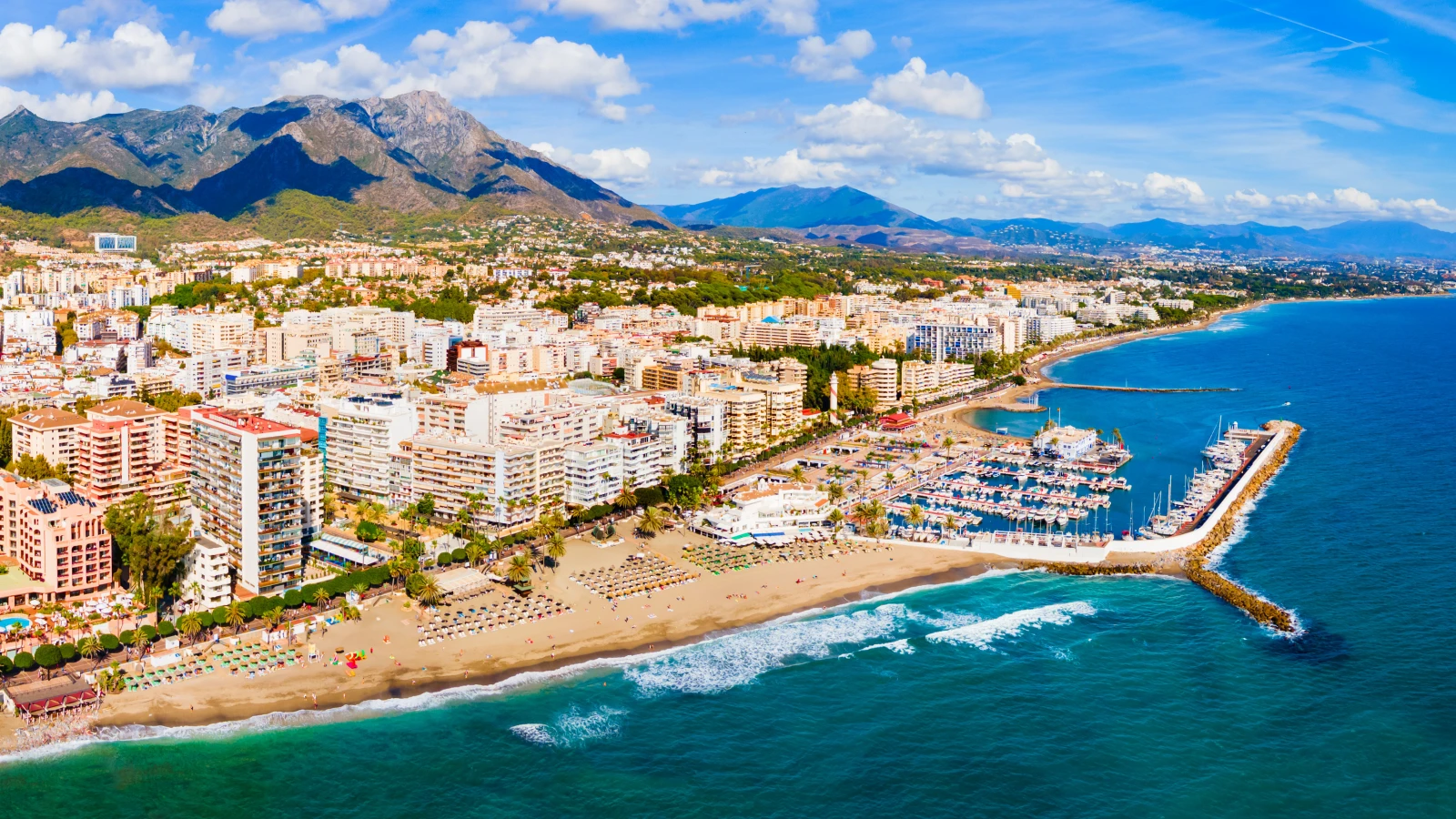
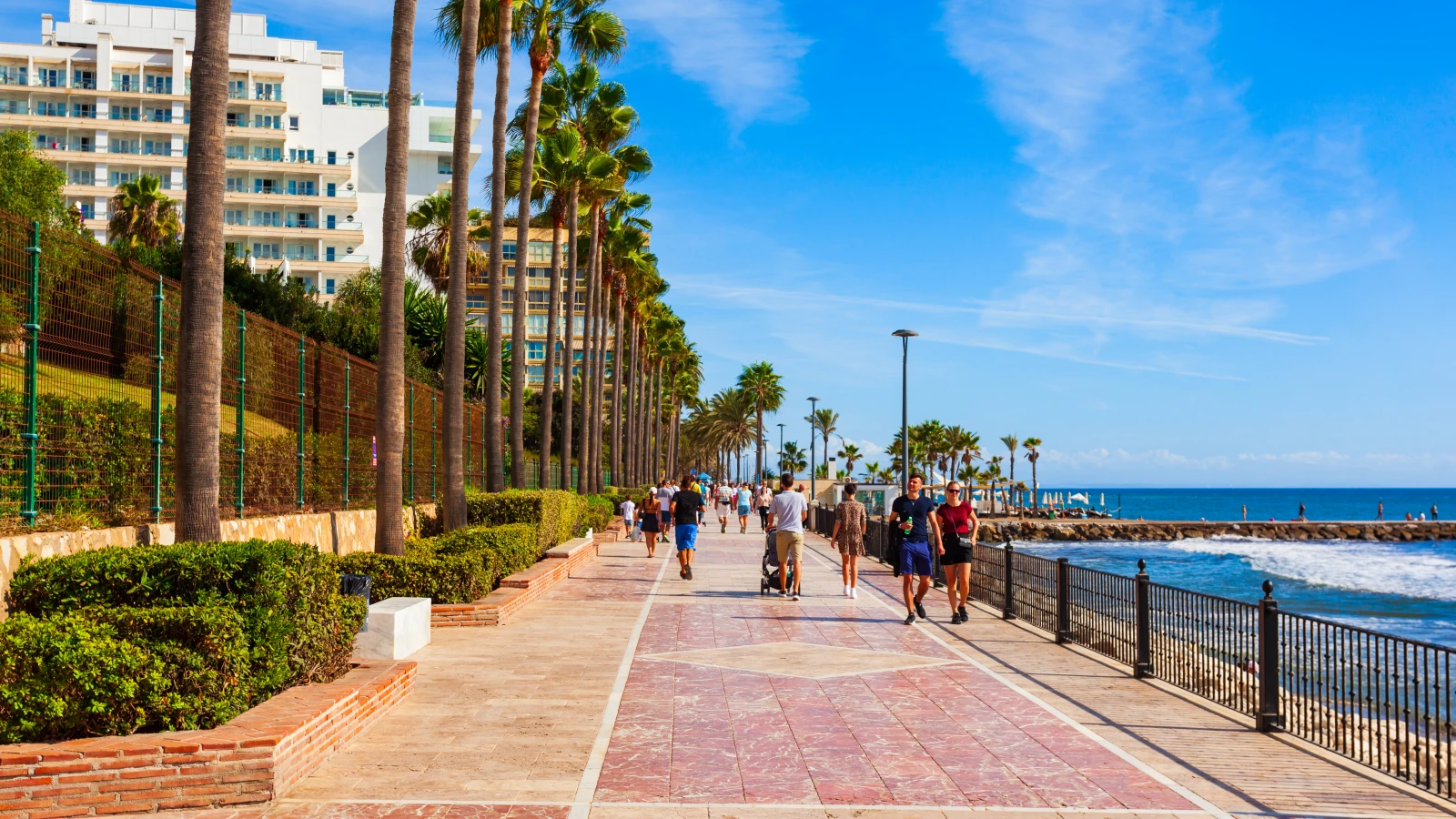
A pleasant coastal promenade several kilometers long, running along Marbella’s beaches. Shops, cafes, restaurants, and play areas. An ideal place for a walk, a run, or a bike ride along the sea. It connects the city center with the beaches and continues toward Puerto Banús.
Parque de la Alameda and Parque de la Represa
Two city parks that provide a green break in the middle of the city.
Alameda. A cozy park at the end of the 20th century with shady alleys, fountains, and benches. Located near Avenida del Mar.
La Represa. A larger park where the Marbella Bonsai Museum is located, one of the best in Europe.
Mercado Municipal (Municipal Market)
In the heart of the old town is the municipal market, a favorite place for locals. Fresh fish and seafood from the coast, meat, vegetables, and fruit. In recent years, the market has also turned into a food spot where you can eat fresh tapas right on site. An authentic experience beyond tourist restaurants.
La Concha: the mountain above the city
La Concha (The Shell) is a mountain 1,215 meters high that rises above Marbella and forms the city’s recognizable silhouette. Climbing La Concha is a popular route for those who enjoy active recreation, with panoramic views of the city, the coastline, and on a clear day even Gibraltar and the African shore.
The route requires good physical condition and takes several hours. It usually starts from the Refugio de Juanar area in the Sierra Blanca mountains. For less prepared visitors, there are easier trails in the lower part of the range.
Beaches of Marbella
Although this is a city guide, you cannot ignore the beaches, which are part of the city itself.
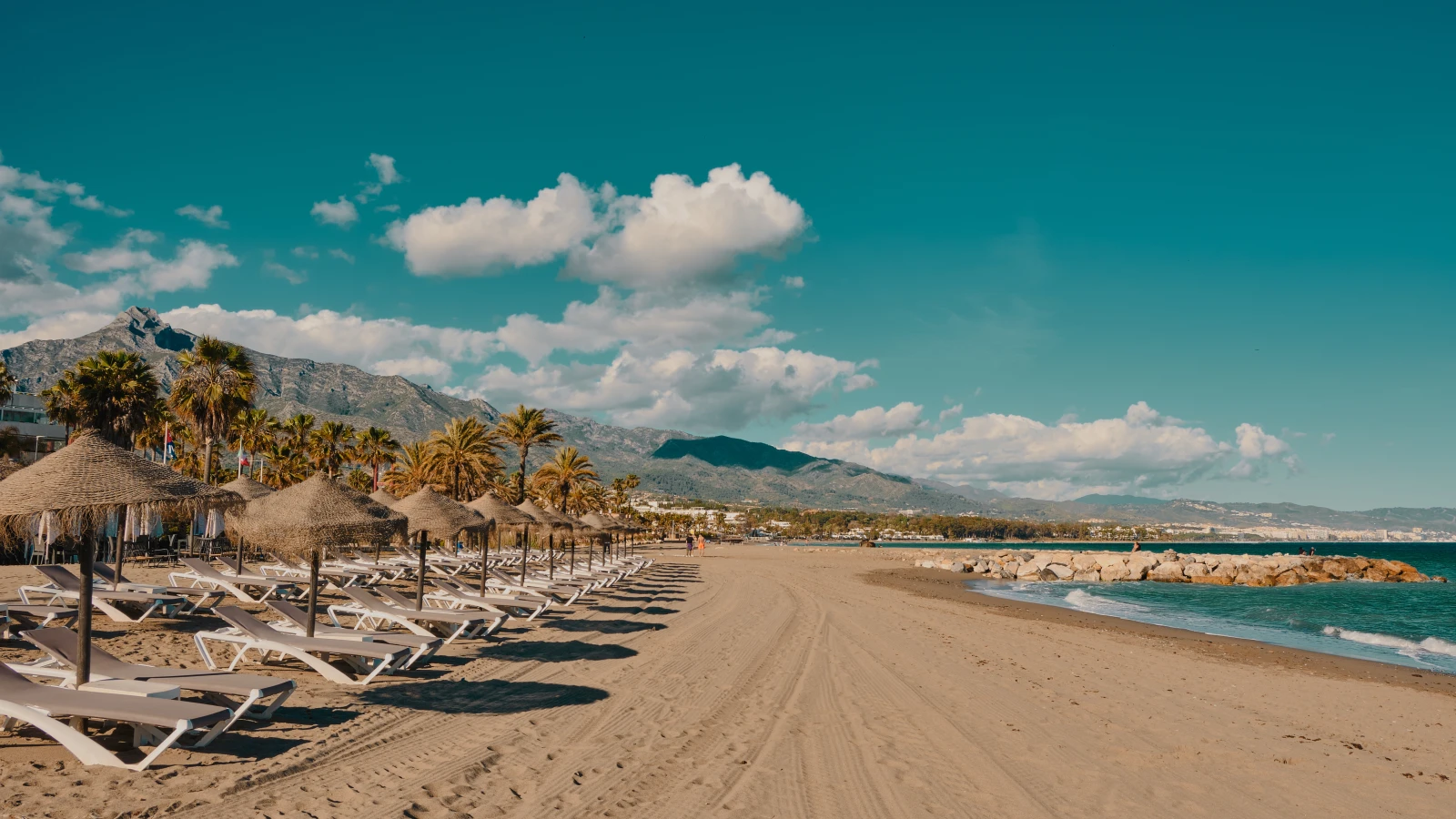
Playa de la Fontanilla and Playa de Venus. Central city beaches near the old town, with a promenade, chiringuito beach bars, and calm water.
Playa del Faro. A small beach by the lighthouse, ideal for families with young children.
These beaches are within walking distance from the center, which makes Marbella a rare city where history, food, and the sea are literally just a few minutes apart.
Practical tips
The old town is best explored on foot. A car is not needed there and is inconvenient.
For parking, use the Indigo underground parking on Avenida del Mar (about €1.50 per hour), 5 minutes from the old town. PARKIA parking at Plaza de la Victoria is right in the center, but more expensive (about €4 per hour).
Avoid Sundays if you plan to shop: many shops and small venues are closed. The best time to visit is on a weekday.
Restaurants on Plaza de los Naranjos are more expensive than those on the side streets. The atmosphere is the same, and prices are lower just a few steps from the square.
For the best views, go up to viewpoints toward La Concha or take a walk along Avenida del Mar at sunset.
Best time of year
Marbella is beautiful all year round thanks to its mild climate. Even in winter, the old town stays lively. For a calmer introduction to the city, choose the period from October to March, outside the peak tourist season. Spring and autumn are ideal for weather and atmosphere.
Bottom line
Marbella is much more than beaches and Puerto Banús. It is a city with a thousand-year history, a Moorish old town, an Orange Trees Square, Dalí sculptures, and Mount La Concha above the sea. For those who live here or plan to stay for a long time, learning the real Marbella means going beyond the resort facade and walking through the cobbled streets of Casco Antiguo, where authentic Andalusia opens up at every turn. This contrast between the shine of the coastline and the soul of the old town is what makes Marbella such a special place to live.
ABARZO Real Estate — Your guide to real estate and lifestyle in Marbella.
'/%3e%3c/g%3e%3c/svg%3e)
'/%3e%3c/g%3e%3c/svg%3e)
'%3e%3cpath%20id='Vector'%20d='M27.5646%202.66147L0.985975%2012.9638C-0.0835844%2013.4435%20-0.445347%2014.4044%200.727416%2014.9258L7.54603%2017.1039L24.0324%206.86228C24.9326%206.21931%2025.8541%206.39077%2025.0612%207.09803L10.9016%2019.9848L10.4567%2025.4385C10.8687%2026.2806%2011.6231%2026.2845%2012.1042%2025.866L16.0217%2022.1401L22.731%2027.1901C24.2893%2028.1174%2025.1372%2027.5189%2025.4724%2025.8193L29.8731%204.87385C30.3301%202.78171%2029.5508%201.85992%2027.5646%202.66147Z'%20fill='var(--fill-0,%20%23D9C8B0)'/%3e%3c/g%3e%3cdefs%3e%3cclipPath%20id='clip0_176_19508'%3e%3crect%20width='30'%20height='30'%20fill='white'/%3e%3c/clipPath%3e%3c/defs%3e%3c/svg%3e)
'/%3e%3c/g%3e%3c/svg%3e)